

Add Row
Add Element
cropper
update
EAST AFRICA FRONTLINE MEDIA CHANNEL BLOG
update
Add Element
  • Categories
    • Ecosphere Green Living
    • Holistic Healthcare
    • #Diaspora Bridge
    • # Akili Handshake
    • # Digital Jounalism
  • Media
  • Directory
  • Subscribe
  • Connect
October 10.2025
1 Minute Read

Unlock How Voice AI Automation Transforms Small Business Service

Did you know that over 40% of small businesses across Africa lose customers each year simply because calls go unanswered? Now, imagine if missing a call never meant missing an opportunity. Across Lagos, Nairobi, Accra, and even London, voice AI automation for small business customer service, lead qualification, and appointment scheduling is not just a buzzword, it's the unseen force that's closing the gap between local ambition and global standards.

“African entrepreneurs aren’t just catching up, they’re leapfrogging with technology like voice AI automation to create world-class customer experiences, right from Lagos, Nairobi, Accra, or London.”

A New Era: Why Voice AI Automation Is Transforming Small Business Customer Service, Lead Generation, and Scheduling

Voice AI automation for small business customer service, lead qualification, and appointment scheduling across Africa and global markets is changing the enterprise landscape for African entrepreneurs. In a continent where business happens on the move, on mobile, in local dialects, often without guaranteed data or electricity, technology has become an equalizer, not a barrier. Gone are the days when only multinational companies could afford 24/7 phone lines and seamless customer engagement. Thanks to AI voice agents, even a single-person retail shop or a budding medical clinic can deliver responsive, round-the-clock service, qualify leads, and schedule appointments with clients both in their neighbourhood and a continent away.

Imagine a business owner in Lagos never losing a customer to a missed call, an e-commerce entrepreneur in Nairobi qualifying leads while packing shipments, or a real estate advisor in London confirming property viewings from clients in both Accra and Manchester, all without hiring extra staff. That’s the present reality with the adoption of voice agents powered by cutting-edge AI, designed specifically to handle multilingual, mobile-first African markets. The return? Fewer wasted opportunities, boosted loyalty, and operational costs that make sense, even for the most budget-conscious SME.

Modern African tech-enabled business environment with voice ai automation for small business customer service and lead qualification

Unveiling the Statistic: Over 40% of African Small Businesses Lose Customers Due to Missed Calls

Across Africa’s dynamic markets, calls are often the first point of customer contact. Yet, research consistently shows that up to 40% of small businesses report losing clients because incoming calls go unanswered. In a landscape where every customer interaction counts, missing these opportunities can be the difference between growth and stagnation. Voice AI automation changes this script by eliminating the human limitations of multitasking, unpredictable hours, or even electricity outages.

By implementing AI voice agents, businesses ensure every call is engaged, queries are answered in real-time, using natural language that matches local context, and no potential customer slips through the cracks. It’s more than just automating lead response; it’s about protecting the business’s reputation and future revenue streams. For African entrepreneurs, this is not just a solution, it’s a competitive edge in an increasingly digital, customer-centric world.

Voice AI: The Great Equalizer for African Business Owners

For too long, access to world-class customer service tools has been reserved for larger businesses with deep pockets. Voice AI automation flips the script entirely. With the right solution, African business owners can deploy AI-powered voice agents capable of handling customer inquiries simultaneously, qualifying leads instantly, and managing appointments without the need for costly call centre infrastructure.

What sets voice AI apart is its adaptability. It works via mobile phones (not just expensive smartphones), understands a range of languages and dialects, and can deliver service excellence even with unpredictable connectivity. Rather than relying on traditional infrastructures, African businesses are leapfrogging to the front, with AI agents shaping a level playing field where innovation and customer experience, not legacy systems, dictate success.

From Mobile Microbusiness to Global Player: How Voice AI Automation Levels the Playing Field

Voice AI automation for small business customer service, lead qualification, and appointment scheduling is redefining what it means to start small in Africa. The e-commerce seller working from a spare bedroom in Nairobi can now offer 24/7 multilingual support rivaling global competitors. A diaspora business owner in London can book appointments for clients across time zones, effortlessly and reliably.

With scalable subscription models and easy setup, AI voice agents are making advanced customer service tools accessible to SMEs, clinics, salons, and agencies. No matter your business size or sector, this wave of innovation allows you to grow beyond borders, serve diaspora clients, and connect with customers the moment opportunity calls, literally and figuratively.

What You’ll Learn About Voice AI Automation for Small Business Customer Service, Lead Qualification, and Appointment Scheduling

  • How voice AI automation works in multilingual, mobile-first markets

  • Practical use cases tailored for African SMEs, startups, and entrepreneurs

  • Step-by-step voice agent implementation and expected ROI

  • Common pain points, and how African business owners are overcoming them

  • Solutions for intermittent connectivity, varying device types, and budget constraints

High-tech voice ai interface handling automatic customer service on both mobile and computer for small business

Understanding Voice AI Automation for Small Business Customer Service, Lead Qualification, and Appointment Scheduling

Defining Voice AI, AI Voice Agent, and AI Agent in the Context of African Business

So, what exactly is voice AI automation for small business customer service, lead qualification, and appointment scheduling? In simple terms, a voice AI agent uses artificial intelligence to understand spoken queries (in your customer’s language), respond instantly, qualify leads through two-way conversation, and set or confirm appointments—often faster than any human assistant. Unlike chatbots tied to a website, AI voice agents work over calls, WhatsApp, and SMS, wherever your customers are.

For African businesses, deploying an ai agent means bridging the gap between manual communication and automated customer support. These agents are trained using your business’s own knowledge base, so they “speak” with local expertise: recommending a hair treatment, answering medical FAQs, or updating appointment times, all with the cultural context and multitasking ability that makes service feel personal, not robotic.

Diverse small business team in Africa collaborating with an AI voice agent device for customer service

AI Capabilities: What Makes Voice AI Agents Adaptable for Small Business?

The game-changer for African entrepreneurs lies in the AI capabilities baked into modern voice agents. Whether you’re a small clinic or a busy market stall, today’s AI voice agent solutions offer adaptive automation, meaning they learn from your business data, tailor conversations, and handle repetitive tasks that would otherwise drain your time and resources.

Flexibility matters. These agents can process speech recognition with local accents, provide customer support in multiple languages, and follow up via WhatsApp or SMS when calls drop due to connectivity issues. Perhaps most importantly, they’re accessible, requiring no advanced tech skills and working across a range of devices from simple mobiles to sophisticated POS systems. In other words, AI agents empower you to create custom customer experiences at scale, keeping service levels high while reducing overall operational costs.

Natural Language, Multilingual Support, and the Reality of the African Customer Base

If you serve customers across Africa, you know that language isn’t one-size-fits-all. Today’s voice AI systems are built with advanced natural language processing, the ability to understand and converse in dozens of languages and dialects. This goes far beyond basic “press 1 for English” menus. These AI voice agents can greet a customer in Igbo, clarify details in Swahili, and respond in crisp English for diaspora or international clients, all within the same customer journey.

This multilingual fluency builds rapport and trust, qualifying leads more effectively and ensuring customers feel understood, literally. With natural language at the heart of AI automation, businesses eliminate the risk of miscommunication and serve diverse markets efficiently, without hiring a multilingual team. The result: broader reach, more loyalty, and higher conversion rates.

How Voice AI Integrates with Knowledge Base and Existing Tools

Integration is critical for SMEs looking to avoid technical headaches. Voice AI solutions today are designed to plug directly into your everyday tools, be it CRM, WhatsApp, POS, or online appointment calendars. By tapping into your knowledge base, your AI agent delivers up-to-date answers, automates lead qualification, and manages tasks like appointment reminders, order confirmations, and more.

This seamless integration ensures your workflows remain uninterrupted while your service levels increase dramatically. Best of all, you keep full control over customer data, allowing for a consistent brand experience across every touchpoint, mobile, web, or in person.

Real-World Examples: Voice AI Automation Success Stories from Africa and The Diaspora

“We started with just a WhatsApp line, now with an AI voice agent, clients book appointments with us 24/7, even during power outages.” - Medical Clinic Owner, Accra

Medical clinic receptionist in Africa using ai voice agent for appointment scheduling and customer service

Lead Generation Transformed: An E-commerce Entrepreneur in Nairobi’s Experience

Meet Linda, an e-commerce business owner based in Nairobi. Juggling order fulfillment and marketing, she struggled with missed calls and stale leads, until she deployed a voice AI agent. Lead generation skyrocketed as the AI handled routine inquiries, qualified potential customers, and even recommended products in English, Kiswahili, and Sheng. Linda could focus on scaling her shop, trusting that her AI was active 24/7, never missing a sales opportunity, even during peak hours or connectivity hiccups.

Her journey demonstrates a powerful principle: AI voice automation for customer service and sales isn’t about replacing people, it’s about keeping every customer engaged, answering queries instantly, and freeing up business owners for the big-picture work. With AI handling the repetitive tasks, growth becomes a function of vision, not bandwidth.

Young e-commerce entrepreneur in Nairobi multitasking as ai voice call comes in for small business lead qualification

Voice Agents for Customer Service: The Lagos Salon Owner’s Leap

Chinedu runs a bustling salon in Lagos, serving clients who prefer to call for bookings, service information, or last-minute rescheduling. With an AI agent answering calls, managing FAQs, and handling WhatsApp messages, Chinedu’s customer satisfaction soared—even on holidays or during citywide outages. His clients now enjoy real-time responses in both Yoruba and English, and the salon never loses business to a missed call.

This level of customer engagement and operational resilience, once only possible for large chains, is now within reach for every committed entrepreneur willing to invest in AI innovation.

Appointment Scheduling Milestones: How a Diaspora Real Estate Agency Drives Global Bookings

For a real estate agency based in London but serving investors across Accra and Lagos, global appointment booking used to be a logistical headache. By adopting voice AI automation, bookings are handled round-the-clock (adjusting automatically for time zones), with natural language support for both local African clients and overseas investors.

Real estate team members save hours daily, clients always reach a helpful voice (never voicemail), and the business owner enjoys higher conversion rates, all without increasing the payroll or needing a team on call 24/7.

The Tangible Benefits: Why Small Business Owners Are Investing in Voice AI Automation for Customer Service, Lead Generation, and Scheduling

  • 24/7 customer engagement, even without a data-heavy smartphone

  • Seamless omnichannel support (voice calls, WhatsApp, SMS, and more)

  • Consistent lead qualification across languages and regions

  • Cost reduction compared to manual agents

  • Higher conversion and client satisfaction rates

Tables: Comparing Manual vs. AI Voice Agent Performance in African Small Businesses

Metric

Manual Agent

AI Voice Agent

Missed Calls

60%

<10%

Lead Qualification Speed

3-6 min

<30 sec

Appointment Bookings per Day

8

40+

Language Coverage

1-2 languages

10+ languages

Monthly Cost

High

Moderate

Breaking Down Voice AI Automation: Lead Generation, Customer Service, and Appointment Scheduling

AI-enabled call center in African small business, blending human agent and digital ai interface for customer service

How Voice AI Drives High-Quality Lead Generation in African Markets

Voice AI automation gives African SMEs a potent toolkit to automate lead capture and qualification without sacrificing the “human” touch. Whether via phone, WhatsApp, or SMS, modern voice AI agents initiate conversations, gather relevant qualifiying details, and assess intent or urgency, ensuring only high-value leads reach the business owner. This not only accelerates the sales process but improves overall lead quality, as every inquiry gets a response, even in local languages, and at any hour of day or night.

Moreover, these agents provide consistent, culturally attuned communication, so leads don’t just feel like another number in the pipeline. Instead, potential clients experience immediate engagement—making them more likely to book, buy, and refer others. With reduced manual workflows, entrepreneurs can focus on what matters most: building lasting relationships and scaling with confidence.

Supercharging Small Business Customer Service With AI Voice Agents

The biggest pain point for many African business owners? Scaling customer service while staying affordable. AI voice agents are built to address this challenge directly by handling thousands of customer interactions across voice, text, and online channels, all in real time. Whether you run a small and medium-sized shop, a local salon, or a healthcare practice, AI voice agents never take breaks, never get overwhelmed, and always offer consistent, branded responses based on your business’s knowledge base.

This supercharged customer service reduces customer wait times, resolves inquiries effectively, and minimizes operational costs. The net effect? Higher customer loyalty and dramatic improvements in the overall customer experience.

AI for Appointment Scheduling: Handling Time Zones, Languages, and Device Diversity

No more missed or double-booked appointments—AI-powered scheduling tools manage time zones, send reminders, and reschedule even during staff absences or data blackouts. For multi-city businesses or diaspora agencies, these tools allow simultaneous booking across borders, with automatic calendar updates and multilingual communication.

Even better, customers can schedule or confirm appointments from a simple phone call, a WhatsApp message, or an SMS, whatever is most convenient, while the AI handles all the backend complexities seamlessly.

Multilingual voice ai automation for small business appointment scheduling and lead qualification across Africa and global markets

Voice Agents in Practice: Salon, E-commerce, Real Estate, Healthcare & More

Let’s recap a few ways voice AI agents are making a difference:

  • Salons: No more missed appointment calls, even on busy days.

  • E-commerce: Automated order confirmations, product recommendations, and support in multiple languages.

  • Real Estate: 24/7 property viewing bookings, client follow-up, and cross-border scheduling support.

  • Healthcare: Real-time appointment setting, answering FAQs, and triaging patient messages.

How To Implement Voice AI Automation for Small Business Customer Service, Lead Qualification, and Appointment Scheduling
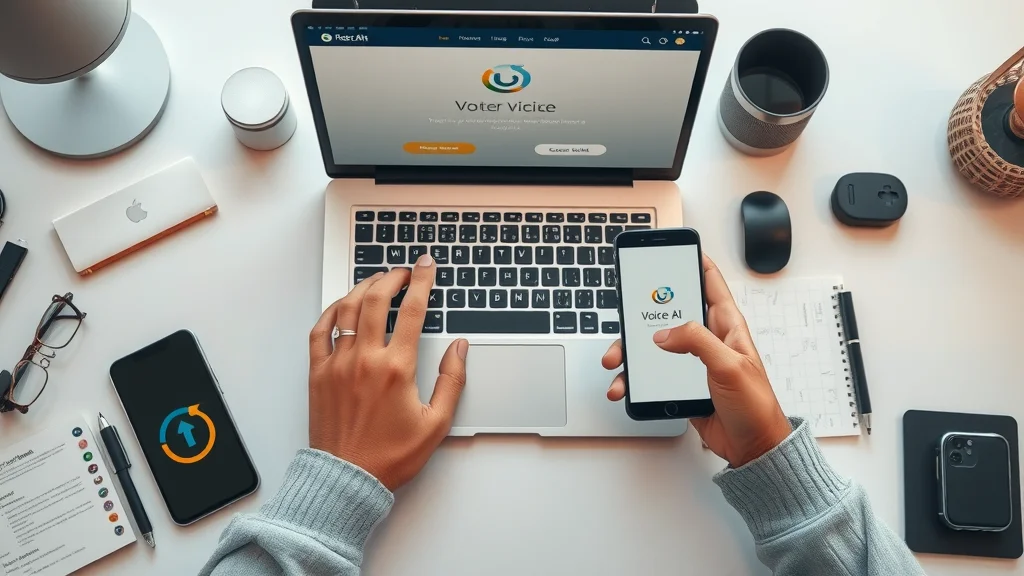
Step-by-step integration of ai voice automation on laptop and phone for African small business customer service

Step 1: Assessing Your Needs—What Gaps Can Voice AI Fill?

Start by mapping your current customer interaction points: where do you lose customers, missed calls, lost leads, manual appointment booking, language miscommunication? Identify the critical gaps in your customer journey; this will help you choose a voice AI agent tailored to your priorities, whether it’s omnichannel engagement, lead generation, or appointment automation.

Consider surveying your team and top clients for feedback: What are their frustrations? Which languages do your customers use most? What’s your peak call or inquiry time? A clear needs assessment ensures the solution fits your context, and not the other way around.

Step 2: Choosing a Voice Agent, Priorities for African Markets (Mobile, Multilingual, Low Bandwidth)

When selecting a voice AI agent, prioritise platforms that support multiple local languages, offer WhatsApp and SMS integration, and work reliably in low-bandwidth scenarios. Consider whether the solution offers a pay-as-you-grow model and local African language support. For most SMEs, an agent that can be deployed on both basic mobile phones and smartphones ensures widest reach.

Test the AI’s natural language processing skills using common local phrases or product names. Accessibility, adaptability, and local focus are your must-have checkboxes.

Step 3: Integrating AI Voice With Your Knowledge Base and Tools (POS, WhatsApp, CRM)

Effective deployment means your AI agent should integrate seamlessly with your existing tools. Sync it with your knowledge base (FAQs, product details, appointment availability), point-of-sale systems, CRMs, and communication channels like WhatsApp. This ensures consistency in customer service and frees your staff to focus on core tasks, unhindered by repetitive support questions or manual scheduling duties.

A strong integration plan means customers always get up-to-date info, and every touchpoint (voice, text, social) feels informed and responsive.

Step 4: Training Your AI Agents for Real Business Scenarios

Spend time teaching your voice AI agent about your unique business situations: product ranges, regular customer requests, seasonal changes, or common pain points. Most platforms offer simple interfaces for business owners and staff to “train” the agent, often without a single line of code. Use real call scripts and FAQs, refine over time, and get feedback from your frontline staff to fine-tune the responses.

Remember, the more you personalize the experience, the more your AI becomes an extension of your brand, not just a tool.

Step 5: Measuring and Scaling Results, What Success Looks Like

Success is measured by reduced missed calls, faster lead qualification, higher appointment bookings, and increased customer satisfaction scores. Use built-in dashboards or reports to track performance in real time. Gather testimonials and feedback from your customers, ask if they’ve noticed better response times and improved engagement.

As you see ROI grow, expand the AI’s responsibilities or scale to new business units, cities, or regions.

Lists: What Makes an AI Voice Solution African-SME-Friendly?

  • Works on basic mobile and smartphone devices

  • Handles multiple local languages and dialects

  • Low-data, offline-capable fallback modes

  • Simple integration with WhatsApp, SMS, POS, and CRM

  • Affordable, pay-as-you-grow pricing models

  • Easy setup—no coding or technical background required

  • Resilient to power outages and intermittent connectivity

  • Complies with local data security standards

  • On-demand reporting and analytics

  • Supports customer experience customisation

How Voice AI Automation Overcomes African Small Business Challenges

Mobile-First and Intermittent Connectivity: Voice AI Tactics for Resilience

African entrepreneurs excel at doing business “on the go.” Yet mobile-first operations and unpredictable internet present unique obstacles. Modern voice AI solutions are built with these realities in mind. They deliver customer engagement over voice, SMS, or WhatsApp—and can automatically switch communication channels when data drops or calls cut off. Offline-capable fallback, data-light processes, and prompt recovery make AI tools ideal for bustling markets, remote shops, or service businesses navigating the day’s uncertainties.

The result: customers receive uninterrupted service, and business owners never have to apologize for a missed opportunity due to infrastructure constraints. Instead, technology becomes a source of continuity and trust.

African small business owner using mobile and smartphone to stay connected with voice ai automation

Multilingual Customer Service: From Local Dialects to International Clients

With over 2,000 languages spoken across the African continent, multilingual support isn’t a luxury, it’s a necessity. Voice AI agents leverage the best in AI language processing to deliver customer service in the preferred language of your audience, whether Swahili in Nairobi, Yoruba in Lagos, or French in Abidjan. This removes a key barrier to trust and effectively “localizes” global business standards for community-focused SMEs.

For diaspora businesses, the ability to offer multilingual support also enables seamless engagement with clients around the world, strengthening both brand loyalty and market reach.

Multicultural African team discussing customer service and ai voice agent strategies for multilingual markets

Managing Budget Constraints: Low-Cost, High-Impact Voice Agents

Cost is often the deciding factor for small businesses considering automation. The good news? Most voice AI solutions are built specifically for SMEs, offering monthly subscriptions or pay-per-use pricing models. With no need for large up-front investments, and utility on both entry-level and advanced devices, African entrepreneurs can see a direct return on investment from the first month, often saving up to 70% compared to hiring additional staff for customer calls.

As your business grows, so can your AI’s capacity, providing an affordable, scalable way to keep customer experience high and operational costs in check.

Ensuring Data Security and Customer Trust in Emerging Markets

Data privacy and customer trust cannot be ignored, particularly in emerging markets. Look for voice AI providers who comply with local and international data protection standards, offer encrypted communications, and give business owners control over stored customer data. Transparent policies and clear opt-in messaging can further build confidence with your clients, ensuring your business remains compliant, credible, and ahead of potential regulatory shifts.

FAQs on Voice AI Automation for Small Business Customer Service, Lead Qualification, and Appointment Scheduling

What is the best AI for customer service?

The best voice AI automation for small business customer service, lead qualification, and appointment scheduling across Africa and global markets is one that supports multilingual natural language, integrates with your current tools like WhatsApp and CRM, and delivers reliable results even under connectivity constraints. Popular solutions include options tailored for African SMEs and global offerings such as Google Dialogflow and Twilio Voice.

How to implement AI customer service?

Implementing an AI voice agent or AI voice automation for small business starts with defining your customer service goals, mapping your current customer journeys, and selecting a platform designed for flexible integration with your existing mobile tools and support for local languages. Then, test, train, monitor, and scale as your business grows and customer demands evolve.

What skills are needed for AI customer service?

Essential skills include understanding your business workflows, familiarity with digital communication tools, and basic data analysis. No coding is required for most platforms, but willingness to experiment, train your AI agent, and embrace new technology will set you up for long-term success.

What is conversational AI for customer service?

Conversational AI for customer service uses AI voice and natural language capabilities to communicate with customers, answer queries, qualify leads, and schedule appointments through voice, WhatsApp, or other channels, automatically, and at scale. It delivers a seamless, human-like experience for your clients, 24/7.

Key Takeaways: Voice AI Automation for Small Business Customer Service, Lead Qualification, and Appointment Scheduling

  • Voice AI automation is practical, affordable, and transformative for African SMEs

  • Multilingual, omnichannel capability increases reach and conversion

  • Real-world business owners across Africa are already seeing dramatic ROI

  • Implementation is straightforward with the right strategy

  • Voice AI agents make missed calls and manual lead loss a thing of the past

Conclusion: The Future of African Business Is Automated, Accessible, and Global

The tools are here: with voice AI automation, African and diaspora entrepreneurs can deliver customer service worthy of any global competitor, all while honouring the unique realities of their market.

“With voice AI agents, the smallest business can offer the kind of service that turns every call, not just into a conversation, but an opportunity.”

Do not Let Another Customer Hang Up Because You Could not Answer their call. Explore Voice AI Solutions That Fit Your Budget.

People Also Ask: Voice AI Automation for Small Business Customer Service, Lead Qualification, and Appointment Scheduling

What is the best AI for customer service?

Answer:

The best voice ai automation for small business customer service, lead qualification, and appointment scheduling across Africa and global markets is one that supports multilingual natural language, integrates with your current tools like WhatsApp and CRM, and delivers reliable results even under connectivity constraints. Popular solutions include region-tailored platforms and leading global providers like Google Dialogflow and Twilio Voice.

How to implement AI customer service?

Answer:

Implementing ai voice agent or ai voice automation for small business starts with defining your customer service goals, mapping your current customer journeys, and selecting a platform designed for flexible integration with your existing mobile tools and support for local languages. Test, train, monitor, and scale as needed.

What skills are needed for AI customer service?

Answer:

Essential skills include understanding your business workflows, familiarity with digital communication tools, and basic data analysis. No coding is required for most platforms, but a willingness to experiment, train your AI agent, and engage with new technology is key.

What is conversational AI for customer service?

Answer:

Conversational AI for customer service uses ai voice and natural language capabilities to communicate with customers, answer queries, qualify leads, and schedule appointments through voice, WhatsApp, or other channels, automatically, and at scale.

Video: How Voice AI Agents Transform Customer Engagement in African Small Business

Animation video: Timeline showing small businesses across Africa transitioning from missed calls and manual scheduling to AI voice agents enabling 24/7 engagement, lead qualification, and seamless appointment booking. Features mobile-first customer scenarios, multilingual interactions, and split-screen views of business owners monitoring live AI reports. Style is colourful, modern, with animated icons and smooth transitions. Duration: 1–2 min.

Video: Step-by-Step Demo, Implementing Voice AI Automation for Lead Generation

See a walkthrough of deploying and customizing a voice AI agent tailored for an African small business, showcasing initial set-up, knowledge base integration, multilingual response testing, and real-time appointment booking with clients from different channels.

Lists: 10 Ways Voice AI Automation Elevates Small Business Service in Africa

  • No missed calls, ever again

  • Multilingual customer support on autopilot

  • Real-time lead qualification

  • Seamless appointment booking, even without human staff

  • Automated FAQs and knowledge base support

  • CRM/WhatsApp integration

  • Quick onboarding for non-technical staff

  • Operates reliably in low-bandwidth environments

  • Detailed performance reporting

  • Consistent brand experience across every channel

Sources

  • https://www.mckinsey.com/industries/technology-media-and-telecommunications/our-insights/africas-digital-future – Example Site

  • https://techcrunch.com/africa/ – Example Site

  • https://www.gsma.com/mobileeconomy/sub-saharan-africa/ – Example Site

  • https://www.dialogflow.com/ – Example Site

  • https://www.twilio.com/ – Example Site

Voice AI automation is revolutionizing small business operations by enhancing customer service, lead qualification, and appointment scheduling. For instance, Uzoma AI offers a 24/7 intelligent voice receptionist that answers business calls, books appointments, and handles customer inquiries automatically, ensuring businesses never miss an opportunity. (uzoma.ai) Similarly, The Lead Pros provides AI-powered phone call systems that manage customer support, appointment bookings, and lead qualifications without the need for coding, allowing businesses to maximize lead conversions efficiently. (lead-pros.ai) By integrating such AI solutions, small businesses can deliver consistent, multilingual support and streamline operations, positioning themselves competitively in both African and global markets.


AI & Digital Marketing

1 Views

0 Comments

Write A Comment

*
*
Related Posts All Posts
12.28.2025

Unlocking Growth: Artificial Intelligence Adoption and Implementation In Uganda

Did you know that between 2020 and 2024, investment in artificial intelligence (AI) initiatives in Uganda’s public and private sectors doubled, outpacing many East African neighbours? This surge isn’t just about catching up with technological trends, AI is currently overhauling service delivery, transforming healthcare, education, agriculture, and finance in ways few predicted a decade agoStarting Strong: The Impact of Artificial Intelligence Adoption and Implementation In UgandaThe transformative potential of artificial intelligence adoption and implementation in Uganda cannot be overstated. From bustling innovation hubs in Kampala to data-driven initiatives in rural agriculture, Uganda’s leap into the AI era is redefining what’s possible for service delivery, public policy, and economic competitiveness. Notably, the Ugandan government’s ambitious commitment to digital transformation has created fertile ground for AI deployment in both urban and underserved communities, positioning the country ahead in the regional race for technological leadership.AI implementation in Uganda is accelerating at a remarkable pace, as evidenced by pilot programs in healthcare for disease diagnostics, AI-powered financial services, and smart learning environments. These advancements reflect wider regional trends, yet Uganda’s approach is uniquely shaped by its collaborative regulatory framework, grassroots innovation, and a commitment to inclusive, ethical AI. The growing ecosystem of local technology providers and startups is fostering not just new solutions but a shift in mindset: seeing AI not as a luxury, but as an essential resource for social good, economic stability, and national empowerment.As Uganda continues to advance its AI capabilities, many local entrepreneurs and professionals are seeking practical strategies to leverage digital innovation for business growth. For those interested in actionable steps and community-driven insights, the She E-Boss Solutionist platform offers webinars and resources designed to help you sow the seeds for success in Africa’s evolving digital landscape.A Surprising Look at Artificial Intelligence in Uganda: Data & TrendsRecent data reveals significant strides in AI adoption: over 40% of Uganda’s major hospitals have integrated AI diagnostic tools, and fintech startups leveraging e f processes now handle millions of digital transactions weekly. In education, AI-enhanced learning platforms are reaching urban and rural students, closing the gap caused by historic digital divides. Agriculture, long reliant on manual methods, is undergoing a transformation with AI-driven d c technologies and drone-enabled crop monitoring. This broadening of ai implementation underlines a shift from traditional, manual service provision to a bold embrace of digital intelligence.Trends also highlight growing demand for national regulatory frameworks to safeguard data privacy, as more Ugandans rely on AI-powered public and private services. Experts suggest this is just the beginning, future projections estimate that AI could double Uganda’s service delivery efficiency by 2030, provided obstacles like skills gaps and ethical considerations are responsibly addressed. In this evolving AI landscape, collaboration between policymakers, industry, and civil society remains paramount.“Uganda’s adoption of artificial intelligence is poised to shift sectors from traditional service delivery to innovative problem-solving at an unprecedented scale.”What You'll Learn in This Opinion on Artificial Intelligence Adoption and Implementation In UgandaKey drivers behind artificial intelligence adoption and implementation in UgandaMajor barriers and ethical concerns with ai implementationOpportunities for service delivery transformationRegulatory frameworks influencing artificial intelligence innovationMy perspective on sustaining growth and responsibilityDrivers of Artificial Intelligence Adoption and Implementation In UgandaBehind the uptick in ai adoption are a blend of unique Ugandan drivers, economic necessity, the push for enhanced public service delivery, and the energy of a new generation of digital natives. The Ugandan government has prioritized digital transformation, recognizing AI as a pathway for scalable economic development and global competitiveness. Government partnerships with technology providers and international NGOs are streamlining AI integration, fostering a supportive regulatory framework while investing in capacity building and technical infrastructure. This strategic approach is crucial for overcoming gaps in traditional service delivery models, ensuring Uganda moves beyond pilot projects to long-term, systemic change.Additionally, persistent challenges in healthcare, agriculture, and financial inclusion have spurred local innovations. For example, Ugandan fintech firms are deploying AI to detect fraud and automate e f tasks, while healthtech startups are providing lifesaving diagnostics in remote regions. In agriculture, droughts and crop disease outbreaks have led to an embrace of d c-based monitoring and predictive analytics, demonstrating how urgent need drives creative AI deployment. It’s clear that AI adoption here is about resilience as much as progress, Uganda’s willingness to experiment and adapt makes it a model for other African states seeking to harness the transformative benefits of artificial intelligence.How Service Delivery Innovation Fuels Artificial Intelligence Adoption and Implementation In UgandaInnovative service delivery is both a catalyst and beneficiary of artificial intelligence adoption and implementation in Uganda. As AI technologies mature, their capacity to close gaps in health, education, finance, and agriculture becomes more pronounced. For instance, AI-powered chatbots are reducing wait times across government portals, while intelligent data analytics improve the efficiency of public sector spending. These advancements give rise to the next wave of digital citizenship, marked by on-demand healthcare, smarter farming, and bespoke learning tools.What’s remarkable is how quickly Ugandan society is adapting to these changes. Youth-led startups and local partners are pushing boundaries, leveraging AI to reimagine processes where legacy systems fell short. The result is better outcomes for end users: more accurate diagnostic services, real-time market data for farmers, and safe, affordable banking for those historically unbanked. As AI implementation gains momentum, the potential for sustainable, inclusive development is greater than ever, proving that digital transformation isn’t just about adopting new tools, but rethinking the very structure of service delivery itself.Expert List: Key Sectors Embracing AI Implementation in UgandaHealthcare (e.g., disease diagnostics)Finance (Automated e f processes, fraud detection)Education (Smart learning tools and platforms)Agriculture (d c technologies, precision farming)Challenges in Artificial Intelligence Adoption and Implementation In UgandaWhile progress is inspiring, the adoption of AI in Uganda faces considerable challenges. Chief among them is the need for comprehensive regulatory frameworks to ensure responsible ai deployment and to address evolving ethical concerns. Uganda’s policy landscape is still catching up to the realities of AI integration, uncertainty prevails around data privacy, bias in algorithmic decision-making, and the potential for job displacement in traditional sectors. Tackling these issues requires leadership from both the government and private sector, along with robust collaboration at all levels.Education and workforce development also present bottlenecks. Skills gaps at the intersection of technical expertise, legal understanding, and ethical AI are pronounced, making sustained investment in training vital. Furthermore, the digital divide persists, not all communities have equal access to AI-enhanced public services, risking exclusion and reinforcing inequalities. Without strong r r and d r oversight mechanisms, these challenges may slow Uganda’s momentum or lead to unintended negative consequences. A strategic approach, balancing innovation with safeguarding public interest, is essential for long-term success.Ethical AI and Emerging Ethical ConcernsThe rapid uptake of ai technologies introduces complex new ethical concerns for Uganda. As AI systems become enmeshed in everyday decision-making, whether diagnosing patients, distributing financial aid, or guiding public investment, questions of fairness, transparency, and accountability move front and centre. There is a recognized risk that unregulated AI could exacerbate bias or inadvertently reinforce social divides. Uganda’s policymakers, therefore, must focus on developing ethical guidelines that promote both innovation and protection for vulnerable populations.Building public trust will demand visible commitments to ethical AI, policies that protect data privacy, foster transparency in algorithmic processes, and encourage open dialogue about risks versus rewards. Many Ugandan institutions are already collaborating with global partners to frame local norms around AI, but the need for homegrown solutions remains. This means integrating ethical considerations into all phases of AI implementation, and creating mechanisms for ongoing evaluation as technologies evolve.The Struggle With Regulatory Frameworks and d rDeveloping responsive regulatory frameworks and d r (data regulation) presents a persistent struggle for Uganda’s AI sector. Historically, regulatory systems have lagged behind fast-moving technological change, creating ambiguity for technology providers and innovators. Today, as AI-powered tools become increasingly central to public service delivery and private enterprise, Uganda faces pressure to balance innovation with clear guardrails, especially regarding data protection, cyber security, and responsible AI deployment.Recent moves by the Ugandan government signal growing awareness. Discussions are underway around introducing dedicated AI regulatory frameworks modeled on international best practice but tailored for local context. These efforts aim to foster trust among citizens, attract investment, and promote sustainable growth in the AI ecosystem. However, true progress will require more than policy papers: open, ongoing engagement between regulators, industry, and civil society, as well as agile d r approaches that can adapt to new challenges and opportunities as they arise.Opportunities for Service Delivery Improvement Via Artificial Intelligence Adoption and Implementation In UgandaAmidst challenges, Uganda’s embrace of ai implementation creates unprecedented opportunities to enhance public services. AI is already improving healthcare with predictive diagnostics, driving agricultural productivity through precision mapping, and supporting smarter resource management in education. Each success story builds a strong case for scaling responsible AI across other sectors.Thanks to committed partnerships between national agencies, NGOs, and private innovators, best-in-class AI applications are being locally adapted and deployed. For Uganda, the opportunity lies in focusing on scalable solutions with high social impact, targeting pain points in service delivery where technology can have the greatest multiplier effect. The future holds strong potential for AI-driven policy modeling, disaster response, and inclusive economic growth, if these innovations are harnessed with foresight and community input.SectorExample AI ApplicationKey BenefitsPotential RisksHealthcareAI-based diagnostic platformsRapid disease detection, improved patient outcomesData privacy concerns, algorithmic biasFinancee f automation, AI fraud detectionReduced transaction costs, enhanced securitySystemic bias, exclusion of digitally unbankedEducationSmart learning analytics, adaptive platformsPersonalized curricula, wider student reachSkill gaps, digital divideAgricultured c monitoring, AI crop predictionHigher yields, early risk mitigationAccess inequalities, technology literacyOpinion: The Role of Regulatory Frameworks in AI Implementation and GrowthIn my view, regulatory frameworks represent both Uganda’s greatest challenge and biggest opportunity in the AI journey. While nascent, ongoing legal reforms signal that Uganda is moving beyond reactive regulation and towards proactive, principle-based oversight. My perspective is that successful artificial intelligence adoption and implementation in Uganda will depend on three pillars: transparency, inclusivity, and adaptability, values that should underpin every layer of the regulatory framework.Moreover, responsible regulatory design must prioritize not just control, but facilitation of innovation. By establishing clear norms for data privacy, algorithmic accountability, and public participation, Uganda can foster trust in AI while remaining globally competitive. The Ugandan government and local regulators are being called on to collaborate more deeply with civil society and industry, ensuring policies evolve alongside technology and always serve the broader public good.R r and Building Trust for Artificial Intelligence Adoption and Implementation In UgandaBuilding r r (regulatory resilience) in AI isn’t just about formal compliance. It’s about encouraging ethical leadership across the ecosystem, where government, innovators, and citizens all play a role. Transparency initiatives, such as open datasets and public AI use audits, help foster trust. At the same time, local community engagement, from “AI town halls” to collaborative pilot evaluations, can increase accountability and drive demand-driven innovation tailored to Ugandan realities.In this context, trust is a critical enabler. With clear r r measures, Ugandan businesses and consumers will have confidence in AI-powered solutions, accelerating responsible adoption and maximizing societal gain. Trust-building is ongoing work, and must focus equally on education, robust complaint redress, and fair dispute resolution wherever AI systems impact livelihoods or public services.Lessons from Other Markets: Fostering Responsible AIUganda has much to gain by learning from the AI journeys of other emerging-market nations. Kenya and Rwanda, for instance, have secured strong early wins by embedding stakeholder feedback into their AI policy-making, investing in workforce upskilling, and nurturing technology clusters. These models demonstrate how balanced regulatory frameworks, robust data protection standards, and ongoing public dialogue can nurture ethical AI ecosystems without stifling entrepreneurial spirit.A Ugandan approach should merge international standards with local priorities, focusing on fair access, socio-economic impact assessments, and community-driven tech leadership. By championing “responsible AI made in Uganda,” the country can avoid the pitfalls of unregulated adoption and position itself as a continental leader in ethical, inclusive AI innovation.FAQs About Artificial Intelligence Adoption and Implementation In UgandaHow does AI implementation address Uganda’s unique development challenges?What are the primary regulatory obstacles for artificial intelligence in Uganda?Are there risks to rapid ai implementation in service delivery?Which areas see the most promising returns from artificial intelligence?Expert Answers: Artificial Intelligence Adoption and Implementation In UgandaHow does AI implementation address Uganda’s unique development challenges? AI directly tackles bottlenecks such as limited access to specialist healthcare, teacher shortages in rural schools, and inefficient traditional farming methodsWhat are the primary regulatory obstacles for artificial intelligence in Uganda? A key challenge is the absence of robust, sector-specific regulatory frameworks governing data privacy, ethics, and liability in AI deploymentsAre there risks to rapid AI implementation in service delivery? Yes, unregulated, rapid deployment invites risks such as data privacy breaches, systemic bias, and social exclusion, especially if the digital divide isn’t addressedWhich areas see the most promising returns from artificial intelligence? Healthcare and agriculture stand out: AI-driven diagnostics reduce preventable deaths, while smart farming tools increase food security and farmer incomeInformative interview with Ugandan AI innovators discussing impacts of artificial intelligence adoption and implementation in Uganda's healthcare, agriculture, and finance sectors.Key Takeaways: Shaping the Future of Artificial Intelligence Adoption and Implementation In UgandaPrioritize transparent regulatory frameworks for ethical ai implementation.Promote inclusive access to ensure broad service delivery benefits.Invest in education and training to fuel sustainable artificial intelligence growth.Champion responsible leadership in the AI ecosystem.“Artificial intelligence is not just a tool for transformation, it's a force multiplier for Uganda’s growth when implemented with vision and integrity.”Conclusion: Harnessing Artificial Intelligence Adoption and Implementation In Uganda ResponsiblyBy embracing responsible artificial intelligence adoption and implementation in Uganda, the nation stands at the threshold of profound, inclusive progress, provided innovation moves hand-in-hand with ethical stewardship and inspired leadership.Explore More: Unlocking Africa’s Digital PotentialReady to supercharge your business with innovative, Africa-focused AI solutions?Discover Cutting Edge Marketing Solutions Designed For Africa's Top Business Success: Visit our website https://east.africatopdirectory.comIf you’re inspired by Uganda’s AI journey and want to deepen your understanding of how digital transformation can drive sustainable success, consider exploring broader strategies for entrepreneurial growth in Africa. The She E-Boss Solutionist’s “Sow Seeds for Success” webinar is a valuable resource for forward-thinking leaders and innovators. It offers actionable guidance, real-world case studies, and a supportive community to help you navigate the evolving digital economy. Take the next step in your growth journey and discover how you can harness technology to unlock new opportunities across the continent.Sourceshttps://www.uneca.org/stories/uganda-embraces-ai-to-improve-public-service-deliveryhttps://africanarguments.org/2023/05/ai-in-uganda-opportunity-or-threat/https://www.newvision.co.ug/articledetails/147488https://researchictafrica.net/2023/10/28/national-ai-strategy-the-case-of-uganda/https://citizendotz.com/uganda-ai-policies-challenges/https://www.monitor.co.ug/uganda/oped/business/why-uganda-must-embrace-ai-for-service-delivery-4407630Uganda’s commitment to advancing artificial intelligence (AI) is evident through several key initiatives. The Ministry of ICT and National Guidance has partnered with Sunbird AI to leverage AI systems, aiming to enhance ICT services for the country’s socio-economic development. (ict.go.ug) Additionally, the launch of the Makerere University Centre for Artificial Intelligence and Data Science underscores the nation’s dedication to fostering AI research and innovation, particularly in sectors like healthcare and education. (news.mak.ac.ug) These efforts highlight Uganda’s proactive approach to integrating AI into its development strategy.

12.26.2025

Navigating the Digital Landscape: Strategies for African Entrepreneurs to Establish a Sovereign Online Presence

Did you know that over 60% of Africa’s population is under 25, yet much of its digital infrastructure remains shaped by foreign tech powers? This startling reality underscores the urgent need for digital sovereignty African entrepreneurs to reclaim control and build an online presence tailored distinctly to Africa’s dynamic markets and rich cultures Startling Realities: The Urgency of Digital Sovereignty for African Entrepreneurs Africa’s burgeoning youth population represents an unprecedented entrepreneurial opportunity, yet digital landscapes remain largely influenced and controlled by western-centric platforms and corporations. This situation poses tangible risks: African entrepreneurs frequently operate within digital ecosystems that do not reflect their unique cultural contexts, economic realities, or infrastructural challenges. As Nightingale Mukasa of The Sovereign Architects observes, "Africa needs to establish a marketplace that is sovereign, built by Africans for Africans, to truly unlock our potential in the global digital economy." This is not simply aspirational rhetoric but an urgent call to action to stop Africa’s digital economy from being siloed or dependent on foreign tech giants. Digital sovereignty African entrepreneurs is the vehicle to secure autonomy and sustainable growth by building platforms and digital assets that are truly African in design and purpose. Understanding Digital Sovereignty: What It Means for African Entrepreneurs Nightingale Mukasa, of The Sovereign Architects, explains, "Africa needs to establish a marketplace that is sovereign, built by Africans for Africans, to truly unlock our potential in the global digital economy." Digital sovereignty refers to the ability of African entrepreneurs to control their digital presence, data, platforms, and ultimately their growth journey without undue reliance on foreign entities. This concept extends beyond mere ownership—it encompasses designing infrastructures, content, and ecosystems that speak directly to African realities and empower African innovation rather than mimic global templates designed elsewhere. For a closer look at how these principles play out in real-world scenarios, consider the experiences of Tanzanian startup founders as they navigate both obstacles and victories in building their own digital ventures. Their stories offer practical lessons on overcoming challenges unique to African markets and can be explored in greater detail in this insightful overview of Tanzanian startup founders’ challenges and triumphs. The Role of Digital Infrastructure in Achieving Digital Sovereignty Strong digital infrastructure forms the backbone of sovereignty. It involves secure local data centers, resilient internet access, and scalable technology systems. African entrepreneurs must champion investments and policies that prioritize building these infrastructures within the continent to avoid dependence on servers and services hosted abroad. Such infrastructure ensures data sovereignty, meaning sensitive business and consumer data remain protected under African governance. This also fosters local innovation in software, digital payment systems, and AI solutions that reflect and respect African cultures and economies, accelerating digital independence. Challenges of Relying on Rented Platforms: Risks to Digital Sovereignty Nightingale Mukasa highlights, "If Facebook changes its algorithm, your digital storefront could disappear overnight, taking your contacts and business visibility with it." Many African entrepreneurs predominantly rely on global social media and digital marketplaces as their storefronts. This dependency exposes businesses to abrupt changes—algorithms shift, platforms impose new policies, or accounts face bans—all potentially wiping out years of hard-earned digital capital without recourse. This reliance also limits entrepreneurs’ ability to authentically engage their communities or customize offerings to suit local market nuances. Moreover, most global platforms do not accommodate African linguistic, cultural, or economic diversity, making it difficult for businesses to connect meaningfully with their customers. Bridging the Gap: Leveraging Collaborative Entrepreneurship to Strengthen Digital Independence One powerful remedy to these vulnerabilities is collaborative entrepreneurship. African entrepreneurs pooling resources, knowledge, and networks can collectively build stronger, culturally relevant digital platforms that serve their communities more effectively. Nightingale Mukasa stresses, “Collaboration—even among competitors—amplifies the whole industry as everyone brings unique perspectives and resources to the table. Together, we can support communities with wider, better-tailored choices and greater digital independence.” Collaborative partnerships thus become a strategic lever in closing infrastructural gaps and achieving sovereignty. Practical Strategies for African Entrepreneurs to Build Digital Sovereignty Start with affordable digital assets like digital business cards and blogs to establish an online presence. Create content that highlights expertise and builds trust within the African market. Utilize video platforms popular in Africa, such as TikTok, to engage audiences effectively. Develop centralized digital platforms tailored to African cultural nuances and market needs. Plan for scalable digital infrastructure that can adapt to emerging technologies without losing foundational stability. StrategyDescriptionBenefits Digital Business CardsAffordable digital presence toolEasy sharing, low cost, professional image Content CreationArticles, videos highlighting expertiseBuilds trust, improves visibility Collaborative PlatformsPartnerships pooling resourcesStronger infrastructure, shared knowledge Centralized Digital AssetsUnified online presenceBetter control, cultural relevance Scalable InfrastructureAdaptable technology foundationLong-term stability, growth potential Overcoming Common Misconceptions About Digital Sovereignty in African Markets Nightingale Mukasa advises, "Don’t be intimidated by experience gaps; collaboration between new and established entrepreneurs creates a more equitable and future-ready ecosystem." A frequent misconception is that only seasoned, resource-rich players can participate in building sovereign digital spaces. In reality, digital sovereignty thrives on inclusivity. Established entrepreneurs offering expertise can collaborate with innovators and startups who bring fresh perspectives and technological savvy, creating synergies that transcend generational or experience gaps. Aligning Digital Strategies with Your Unique Why and Market Needs Nightingale Mukasa emphasizes the importance of alignment: “Focus on your unique why. Understand the specific solutions you provide to your market. This authentic foundation ensures your digital presence is stable, trustworthy, and scalable over time, rather than borrowing trending tactics without context.” Entrepreneurs are encouraged to build digital ecosystems reflective of their unique value propositions and the cultural dynamics of their customers. This approach outperforms copying global trends because it fosters genuine connection and long-term loyalty. What You'll Learn The critical importance of digital sovereignty for African entrepreneurs. How digital infrastructure supports digital independence. Risks of relying on rented platforms and how to mitigate them. Collaborative entrepreneurship as a tool for building sovereign digital assets. Actionable steps to establish and grow a sovereign digital presence. People Also Ask What is digital sovereignty and why is it important for African entrepreneurs? How can African businesses build their own digital infrastructure? What are the risks of relying on global social media platforms? How does collaboration enhance digital sovereignty in Africa? What are the first steps to transition from rented platforms to owned media? Key Takeaways Digital sovereignty empowers African entrepreneurs to control their growth and market presence. Building digital infrastructure tailored to African needs is essential for sustainable success. Collaborative entrepreneurship bridges resource gaps and fosters innovation. Starting small with digital assets can lead to strong, scalable online platforms. Aligning digital strategies with personal and market-specific goals ensures authenticity and longevity. Conclusion: Embracing Digital Sovereignty for a Thriving African Entrepreneurial Future To thrive, African entrepreneurs must reclaim their digital narratives by building sovereign, culturally-attuned platforms. Start modestly, collaborate widely, and align your digital strategies with authentic purpose to future-proof your digital presence. As you continue your journey toward digital sovereignty, remember that the landscape is ever-evolving and full of opportunities for those who stay informed and proactive. Exploring broader business and marketing insights can help you anticipate trends, adapt your strategies, and unlock new avenues for growth. For a deeper dive into the latest developments and expert perspectives tailored to African entrepreneurs, visit the Sovereign Architects News Channel—your resource for advanced strategies and inspiration to elevate your digital presence even further. Call to Action Discover Sovereign Architects News Channel for more business and marketing insights for African Entrepreneurs: https://sovereignarchitects.news Sources https://sovereignarchitects.news To further explore the concept of digital sovereignty for African entrepreneurs, consider the following resources: “Digital Sovereignty in Africa - The Borgen Project”: This article discusses initiatives like the CIX, which aim to establish local data centers and search engines to reduce bandwidth costs and reliance on foreign digital services. It highlights the potential for reinvesting savings into digital infrastructure, particularly in rural areas, to enhance internet access and technological resources. (borgenproject.org) “Senegal Commits $1.7 Billion to Digital Sovereignty Under President Faye’s New Vision”: This piece outlines Senegal’s ambitious $1.7 billion strategy to achieve digital sovereignty by 2030. The plan includes developing advanced data centers, ensuring universal high-speed internet access, implementing nationwide 5G connectivity, and introducing a robust digital identity system. These efforts aim to transform Senegal into a regional technology leader. (empiremagazineafrica.com) If you’re serious about establishing a sovereign online presence, these resources provide valuable insights into strategies and initiatives that can guide your journey.

12.25.2025

Building Sustainable Growth in African Entrepreneurship Through Collaborative Partnerships

Did you know that collaborative partnerships among African entrepreneurs can significantly accelerate sustainable growth, transforming local markets and communities? In today's dynamic African business environment, forging meaningful collaborations isn't just advantageous; it is essential for unlocking powerful growth avenues Understanding Sustainable Growth in African Entrepreneurship Definition of sustainable growth in African entrepreneurship Importance of sustainable development in Africa Current challenges faced by African entrepreneurs in achieving sustainable growth Sustainable growth in African entrepreneurship refers to the ability of businesses to expand and succeed economically while positively influencing social inclusion and environmental stewardship. It goes beyond short-term profits, focusing on longevity and the well-being of communities that entrepreneurs serve. This approach aligns closely with Africa's broader sustainable development goals aimed at reducing poverty, improving infrastructure, and fostering inclusive economic opportunities. Despite the promising potential, African entrepreneurs face notable obstacles that impede achieving sustainable growth. These include limited access to reliable infrastructure, fragmented markets, scarce capital resources, and knowledge silos. Additionally, entrepreneurs must navigate challenges such as fluctuating regulatory environments and competition in both local and global contexts. Understanding these issues is the first step toward leveraging collaboration to drive meaningful change. The Role of Entrepreneurship in Africa’s Development Goals "Collaborative partnerships amplify the whole industry because every entrepreneur brings a unique perspective and resource to the table," explains Nightingale Mukasa, a leading expert in African entrepreneurship. This underscores how entrepreneurship is central to achieving Africa's development goals by fostering innovation, creating jobs, and driving economic empowerment. Collaborative Entrepreneurship: A Catalyst for Sustainable Growth What is collaborative entrepreneurship in African markets? How partnerships among competitors can create amplified value Examples of successful collaborative initiatives in Africa At its core, collaborative entrepreneurship in African markets involves different business owners and organizations coming together, sometimes even competitors, to pool their unique resources, expertise, and networks for mutual benefit. This collective effort shifts from a mindset of rivalry to synergy, whereby the ecosystem flourishes as a whole. Such partnerships leverage the distinct strengths each entrepreneur brings, fostering innovation that can better address local demands and create new market opportunities. This collective approach reduces duplication and promotes cost-effective solutions, benefiting customers and communities alike. In effect, competitors collaborating can turn the entire industry into an amplified force for growth and development. For a closer look at how these collaborative principles play out on the ground, consider the experiences of startup founders navigating real-world challenges and opportunities. The article Insights from Tanzanian Startup Founders: Challenges and Triumphs offers practical examples of how entrepreneurs in East Africa are leveraging partnerships to overcome obstacles and drive sustainable growth. Bridging Infrastructure and Resource Gaps Through Partnerships According to Nightingale Mukasa of The Sovereign Architects, "Leveraging partnerships helps bridge gaps in infrastructure and resources, giving African businesses more collective power to meet customer needs." This is a pivotal advantage in markets where isolated entrepreneurs struggle with limited capabilities. Many African businesses face infrastructural limitations, from technology access to distribution channels. Collaborative entrepreneurship pools diverse assets—from technical know-how and physical infrastructure to social capital—thereby overcoming individual constraints. These partnerships create a broader spectrum of options for serving customers and scaling operations. By combining efforts, entrepreneurs can achieve efficiencies otherwise unattainable, catalyzing sustainable growth that ripples through local economies. This collective problem-solving approach showcases how unity fosters resilience and competitiveness amidst complex market challenges. Overcoming Misconceptions About Collaborative Entrepreneurship in Africa Common myths about collaboration among competitors Addressing fears of intimidation and competition How collaboration fosters equitable growth and future readiness Many African entrepreneurs shy away from collaboration due to misconceptions, especially fears about partnering with competitors. There's often apprehension about losing proprietary advantages or being overshadowed by more established players. However, viewing competitors solely as rivals limits the collective potential and innovation needed for sustainable growth. Embracing collaboration means recognizing that different businesses bring complementary strengths that can augment each other, enabling more resilient and equitable growth. It builds trust and prepares the entrepreneurial ecosystem to withstand future disruptions, ultimately benefiting all stakeholders involved. Generational and Technical Gaps in African Entrepreneurship Nightingale Mukasa highlights, "Collaboration can bridge generational, technical, and pricing gaps, creating a more equitable and future-ready business ecosystem." Addressing these divides is essential for inclusive growth, combining seasoned expertise with modern innovations. Generational differences, especially between experienced entrepreneurs and younger tech-savvy innovators, can create gaps in communication and strategy. However, collaborative platforms allow these groups to learn from each other’s strengths. Established entrepreneurs offer wisdom and market know-how, while younger entrepreneurs introduce digital fluency and new-age marketing techniques. This synergy not only accelerates business growth but nurtures a forward-looking, inclusive culture where pricing strategies and expertise levels balance to reflect diverse contributions fairly. Strategies for Building Sustainable Growth Through Collaborative Partnerships Identifying complementary partners within the same industry Pooling resources to support community needs Creating multi-expertise programs to broaden learning and impact To foster sustainable growth african entrepreneurship through collaboration, entrepreneurs must strategically select partners whose skills and resources complement rather than duplicate their own. This ensures diverse capabilities that address a wider range of community needs effectively. Pooling resources maximizes impact—whether it's sharing infrastructure, knowledge, or customer bases—and reduces redundancies and costs. Multi-expertise programs, which unite professionals from different segments within an industry, create robust learning environments that empower more entrepreneurs to succeed at various stages. Case Study: The Afrikaans Sisters Network Nightingale Mukasa shares, "The Afrikaans Sisters Network successfully leverages diverse coaching expertise to provide a wide range of business support, exemplifying collaborative entrepreneurship in action." This network blends multiple coaching perspectives into cohesive, comprehensive programs. The Afrikaans Sisters Network is a quintessential example where collaboration delivers tangible benefits. By uniting coaches with distinct specialties—ranging from brand messaging to financial literacy—the network provides members expansive access to knowledge and support in one ecosystem. This collective approach empowers entrepreneurs at multiple skill levels, ensuring widespread inclusion and resource sharing. Aligning Collaborative Efforts with Sustainable Development Goals in Africa How collaborative entrepreneurship supports sustainable development goals The impact on local communities and economic empowerment Role of Africa initiatives in promoting sustainable growth Collaborative entrepreneurship directly contributes to Africa’s sustainable development goals (SDGs) by promoting economic empowerment, reducing inequalities, and creating sustainable communities. Partnerships enable more comprehensive market inclusion and spur innovations tailored to African contexts, addressing social challenges while fostering economic growth. Several Africa initiatives encourage joint ventures and multi-sector collaborations, emphasizing shared value creation that uplifts local populations while preserving environmental resources. These collaborations uphold cultural integrity and propel equitable access to opportunities across regions. Measuring Success: Key Indicators of Sustainable Growth Indicator Description Impact on Sustainable Growth Increased Market Access Broader reach through partnerships Higher sales and customer base Resource Sharing Pooling infrastructure and expertise Cost reduction and innovation Community Empowerment Supporting local needs collectively Improved social and economic wellbeing Actionable Tips for African Entrepreneurs to Foster Collaborative Partnerships Identify potential partners with complementary skills and resources. Look beyond direct competitors to find collaborators who enhance your value proposition. Establish clear goals and mutual benefits for collaboration. Define shared objectives and fair terms to encourage sustained cooperation. Leverage technology to facilitate communication and resource sharing. Use digital platforms to bridge geographical gaps and streamline collaboration. Be open to learning from different generations and expertise levels. Embrace diversity to foster innovation and adaptability. Focus on building trust and long-term relationships. Prioritize transparency and consistent engagement to strengthen partnership resilience. People Also Ask What is sustainable growth in African entrepreneurship? How can collaboration among competitors benefit African markets? What are the challenges of collaborative entrepreneurship in Africa? How do partnerships support sustainable development goals? What steps can entrepreneurs take to build effective collaborations? Key Takeaways Collaborative partnerships amplify sustainable growth by pooling unique resources and expertise. Bridging infrastructure and generational gaps is essential for equitable entrepreneurship. Aligning collaborations with sustainable development goals maximizes community impact. Starting with clear goals and trust-building fosters successful partnerships. African entrepreneurs must focus on their unique value and long-term growth strategies. Conclusion Nightingale Mukasa concludes, "Sustainable growth in African entrepreneurship is achievable through intentional collaboration that respects cultural nuances and leverages collective strengths." To achieve this, entrepreneurs should intentionally build partnerships that pool diverse resources and expertise. This strategic collaboration drives equitable, resilient business ecosystems and accelerates Africa’s sustainable growth trajectory. If you’re inspired to deepen your understanding of Africa’s entrepreneurial landscape, exploring the journeys of startup founders can offer invaluable perspective. By learning from the real-world experiences and innovative strategies of Tanzanian entrepreneurs, you can uncover actionable insights that complement the collaborative approaches discussed here. For a broader view on overcoming challenges and achieving business success in Africa, don’t miss the comprehensive stories and lessons shared in Insights from Tanzanian Startup Founders: Challenges and Triumphs. Let these narratives inspire your next steps toward sustainable growth and impactful partnerships across the continent. Call to Action Discover Sovereign Architects News Channel for more business and marketing insights tailored specifically for African entrepreneurs. Empower your journey toward sustainable growth today. Collaborative partnerships are pivotal in driving sustainable growth within African entrepreneurship. The African Development Bank and Invest in Africa’s “MicroGREEN” project exemplifies this by aiming to create up to 500 green jobs in Ghana and Senegal, focusing on marginalized groups and promoting inclusive economic development. (afdb.org) Similarly, the African Diaspora Network mobilizes the intellectual and financial capital of Africans and friends of Africa to advance sustainable development across the continent, highlighting the power of collective efforts in fostering entrepreneurship. (en.wikipedia.org) These initiatives underscore the transformative potential of collaboration in overcoming challenges and achieving long-term success in African markets.

Terms of Service

Privacy Policy

Core Modal Title

Sorry, no results found

You Might Find These Articles Interesting

T
Please Check Your Email
We Will Be Following Up Shortly
*
*
*